
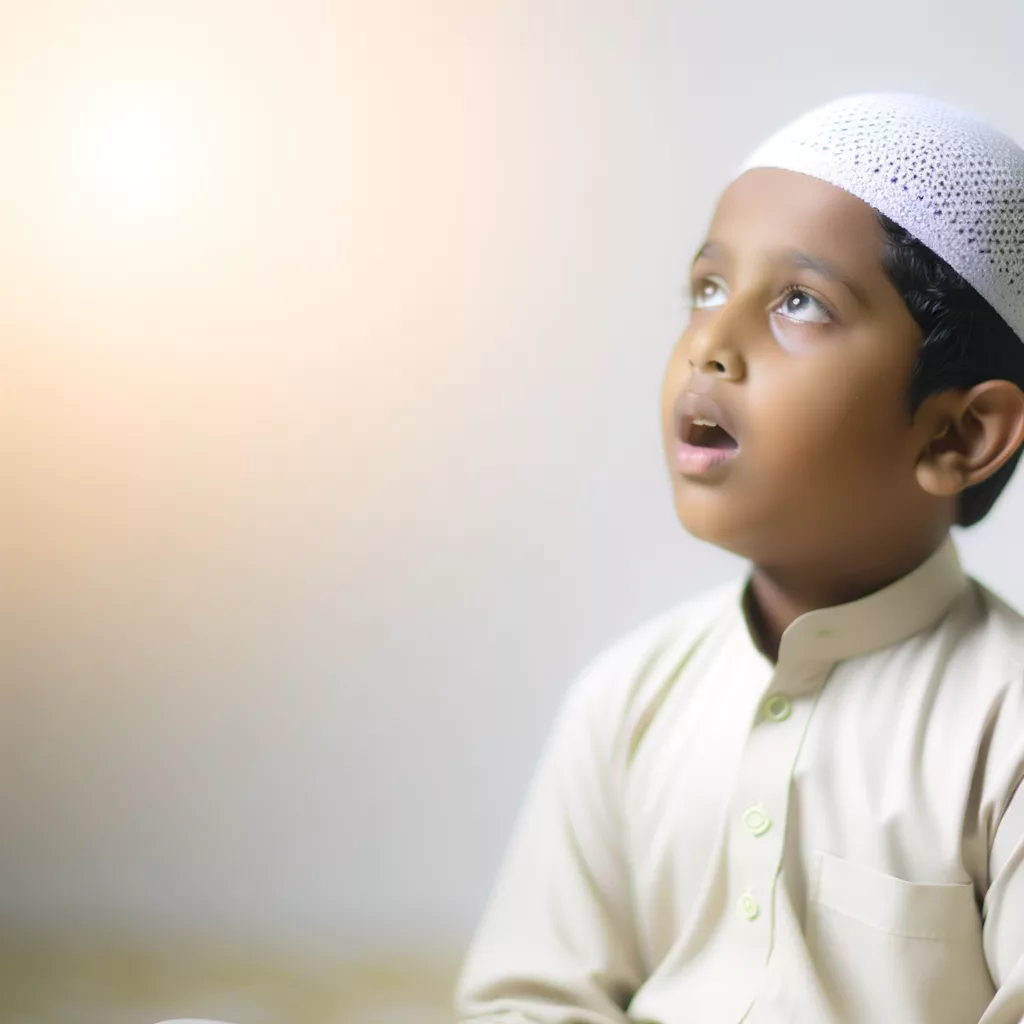
Learning Arabic is much more than a simple linguistic challenge: it is the intimate key that opens the door to the Qur’an and its most precious surahs. For every Muslim and every person in search of meaning, the desire to understand the Qur’an in Arabic, in its original language, runs through the generations like a golden thread linking the human heart to the divine word. Yet how many of us recite the short surahs every day—those jewels of prayer in Islam, of dhikr, of meditation, of fasting in Ramadan—without fully tasting the flavour of their deep meaning, because we have not mastered literary Arabic or dared to dive into immersion in Arabic?
The voice of the Qur’an sings in our prayers, accompanies our children and gives rhythm to the Muslim family from Fajr to Isha, through the Friday prayer and the Islamic invocations. But this linguistic miracle, sent down to enlighten the whole of humanity, often remains veiled behind the barriers of translation. Learning Arabic without translation means choosing the path most respectful of the revelation, the path of intimacy and direct understanding. Immersion in Arabic brings the words to life, frees the mind, and draws you closer to the overall meaning and spiritual breath of each short surah. Memorising the Qur’an then becomes a living thing, the practice of Islam more deeply rooted, and the Muslim faith intensely felt.
It is not just a matter of pronouncing correctly with tajwid, learning by heart or accumulating hadiths: it is a matter of fully inhabiting the language, absorbing its ancient and sacred scent, and letting the meaning penetrate the soul. Understanding the Qur’an means bringing forth the light of tafsir and discovering the science of hadith, the sunna, the sira of the Prophet and the wisdom of the companions of the Prophet. It also means living Ramadan or Eid with an awakened heart, feeling patience in Islam, sincerity in Islam, humility before Allah and gratitude towards Allah, as the scholars of Islam, Muslim children and Muslim youth have lived them… while making the link with modern reality and contemporary Islamic culture.
Grasping the meaning of the short surahs through learning Arabic is not simply adding a skill to your spiritual CV. It means transforming prayer into an inner dialogue, memorisation into awakening, and reading the Qur’an into nourishment for the soul. It means feeling khushu in prayer, tasting the inner peace of Islam, and feeling your Muslim identity take root in the fertile soil of language, meaning and love of the Prophet. Here begins a journey of light, intelligence and gentleness, where every word, every verse and every short surah becomes a pearl of living water for anyone who dares to immerse themselves, to learn and to understand.
Why learning Arabic transforms the memorisation of the short surahs: immersion in Arabic and understanding the Qur’an
When you set out to learn Arabic, you begin an inner journey that goes far beyond simply acquiring vocabulary. This approach profoundly changes the way you memorise and understand the short surahs of the Qur’an. Indeed, immersion in literary Arabic, without translation getting in the way, places the believer at the very heart of the divine message. Memorising a surah in Arabic means anchoring it in your memory as it was revealed, with its unique musicality and inimitable depth. You perceive the beauty of reading the Qur’an, the richness of tajwid and the subtlety of the intonations, and every word takes on a particular density that translation could never convey. Understanding the Qur’an in Arabic, even through the surahs considered easy, reveals hidden treasures: you feel the emotion of the Islamic invocations, the precision of the exhortations to patience in Islam, the tenderness of the calls to gratitude towards Allah and the power of tawba. Learning Arabic gives access to the tafsir of the Qur’an and the science of hadith in their original language, revealing the wisdom of the companions of the Prophet, the nobility of the ahl al-bayt and the depth of the sunna. The short passages recited during prayer in Islam, the salat of Ramadan or the Friday prayer (jumu’ah) then become carriers of khushu, that sincere attention and recollection that drive Muslim spiritual life. Gradually, the repetition of the verses, dhikr and du’a, guided by an intimate understanding of the meaning, transforms one’s relationship with Allah: the Muslim faith takes root, Islamic spirituality takes on a new flavour, and the bond with Islamic tradition and culture deepens. Learning Arabic means lighting every recited word with an inner light, opening up to the richness of the history of Islam and setting the practice of Islam within a living, embodied horizon, far beyond the limits imposed by the filter of translation.
Reading the Qur’an, tajwid and learning Arabic without translation: opening heart and mind to the short surahs
Reading the Qur’an in its original language is much more than an act of ritual practice: it is an immersion in Arabic that transcends words and touches the soul. When you approach the short surahs, often memorised in childhood, the experience of reading the Qur’an takes on a special dimension. The beauty of tajwid, that subtle science that makes every letter vibrate, becomes a gateway to authentic Islamic spirituality. Learning Arabic without translation means choosing to remove the filter between the Word of Allah and our heart. It means feeling, during prayer (salat), every vibration of the Qur’an in Arabic and every nuance of meaning offered by literary Arabic, even in the shortest verses.
This approach to learning Arabic puts the overall meaning before technical details: you let yourself be carried by the rhythm of the verses, absorb the breath of the prophets, and open yourself to the light the Qur’an breathes into the Muslim’s life, into patience in Islam, gratitude towards Allah or hope in tawba (repentance). The short surahs, so present in the spiritual routine and in the practice of the Friday prayer (jumu’ah), the adhan or daily dhikr, are keys to understanding the Qur’an through immersion, without translating, embracing the particular harmony of the sacred language.
This learning is not limited to recitation: it invites you to explore the tafsir of the Qur’an, to discover the science of hadith, to walk in the footsteps of the sira of the Prophet and the companions of the Prophet, and to draw inspiration from love of Allah and the example of the ahl al-bayt. Gradually, Arabic becomes a living link with the whole of Islamic civilisation and its values of Islamic solidarity, inner peace and spiritual well-being. In the silence of the mosque, at the heart of Ramadan or during blessed nights such as Laylat al-Qadr, reading the Qur’an in Arabic, even a single short surah, means feeling the freshness of the divine message like a breeze on the heart, opening the mind to light, humility and sincerity in Islam. This is where Islamic education takes on its full meaning: no longer an accumulation of knowledge, but a source of transformation and of unity between faith, knowledge and daily life.
Discovering the deep meaning of the surahs through the tafsir of the Qur’an and Islamic spirituality
Savouring every word of the short surahs of the Qur’an in Arabic opens the door to a universe of meaning of unequalled depth. Far beyond simple recitation or memorising the Qur’an, learning literary Arabic and immersion in Arabic without translation let you taste the beauty, the nuances and the light of each verse. The tafsir of the Qur’an, whether classical or contemporary, offers the key to understanding the Qur’an from the perspective of the companions of the Prophet and the ahl al-bayt, then through the science of hadith, the sira of the Prophet and lived Islamic spirituality. Through the study of tafsir and a return to the sources, reading the Qur’an in Arabic reveals the divine logic, kindness, patience in Islam and sincerity, but also the firmness of Islamic education, inviting gratitude towards Allah and love of Allah and of the Prophet.
Each short surah, if you dwell on it with a pure intention, becomes a mirror for the Muslim faith and Muslim spiritual life: dhikr resonates with tawba and du’a, strengthening the humility and inner peace needed for a prayer in Islam full of khushu, whether during the daily salat, the Friday prayer or the special invocations of Ramadan, hajj or the Night of Destiny. This subtle understanding encourages the practice of Islam in every dimension of family life, from children’s education to Islamic ethics, through solidarity, justice, modesty and the quest for spiritual well-being within the Muslim community. By exploring the deep meaning of the surahs, the Muslim’s heart connects with the history of Islam, its age-old wisdom and its ideal of moderation (wasatiyya). This deepening of meaning nourishes not only the intellect but also the soul, forging a strong Muslim identity rooted in love, patience, forgiveness and peace, even amid the challenges of modern life.
The short surahs in prayer: strengthening the Muslim faith, patience, sincerity and khushu
Reciting the short surahs during prayer means drawing invaluable spiritual energy from the very source of the Muslim faith. Their brevity hides a depth which, when you set about learning Arabic and immerse yourself in literary Arabic, reveals treasures of Islamic spirituality. In the daily salat, surahs such as Al-Fatiha, Al-Ikhlas, Al-Falaq or An-Nas, through their apparent simplicity, invite full presence, fostering khushu in prayer, that sincere, exclusive and trusting concentration that links the soul directly to Allah.
Understanding the Qur’an in Arabic gives a unique flavour to every word spoken in prayer. Through immersion in Arabic, without systematically resorting to translation, every recitation becomes an act of meditation and surrender. Learning Arabic, particularly through memorising the Qur’an and gradually mastering tajwid, allows you to enter into the deep meaning of the surahs: patience in Islam is lived through the patient repetition of invocations and du’a, sincerity and purity of intention are renewed with every prostration, and gratitude towards Allah comes alive through reading the Qur’an, which nourishes love of Allah and of the Prophet.
These surahs, often memorised in childhood within the Muslim family or through Islamic education, also accompany daily life: they give rhythm to the Friday prayer, the supererogatory prayers of Ramadan, the quest for forgiveness through tawba or great nights such as Laylat al-Qadr, and even brief prayers in moments of solitude or hardship. They connect the believer to the history of Islam, to the companions of the Prophet, to the ahl al-bayt, and to the scholars who devoted their lives to passing on the tafsir of the Qur’an and the sunna, to the science of hadith and to the light of the sira of the Prophet – a living immersion in Islamic civilisation and its culture of spiritual renewal.
Reciting, understanding, meditating: each cycle of prayer becomes a renewal for heart and mind, a daily lesson in patience, sincerity, inner calm and modesty in Islam. The short surahs, being so accessible, are so many keys to Muslim spiritual life, fuelling inner peace, spiritual well-being and the balance needed in the practice of Islam, and deeply nourishing the intimate relationship with the Creator. Thus, through immersive Arabic learning, prayer gains in meaning, depth and fruitfulness, setting the believer on a path of renewal, piety and elevation.
Further reading: discover our programme for learning to read Arabic (adults), or also read “Learning Arabic to fully experience the supererogatory prayers” and “Learning Arabic for an error-free prayer full of khushu“.
Conclusion
Learning Arabic through authentic immersion transforms our relationship with the short surahs of the Qur’an. This art of learning Arabic without translation, centred on listening, intuitive understanding and a deep feeling for every word, invites you to rediscover the Qur’an in Arabic as a living companion of the soul. Simply memorising verses then becomes an intimate dialogue, a way of intensifying love of Allah, gratitude towards the Creator and connection to the sunna of the Prophet and to the example of the companions of the Prophet, the ahl al-bayt and the scholars of Islam throughout Islamic history.
From reading the Qur’an with tajwid to meditating on the tafsir of the Qur’an and the sciences of hadith, learning literary Arabic opens the doors to a living Islamic spirituality. You leave behind the limited filter of translations to taste the original sweetness of the revealed words, and better understand the meaning of dhikr, du’a, tawba and patience in Islam. The invocations, prayer in Islam, the daily salat and the Friday prayer take on a renewed dimension of khushu, where every word spoken springs from the heart, strengthens the Muslim faith and renews sincerity in Islam.
Bringing literary Arabic into your spiritual routine also means reconnecting with the heritage of Islamic civilisation, Islamic culture, the wisdom of the madhahib and the richness of fiqh and its debates, the poetry of the sira of the Prophet, the beauty of Islamic calligraphy, and the light of the adhan that gathers the Muslim community in mosques around the world. It means passing on to Muslim children and new generations an invigorating Islamic education, rooted in Muslim identity, in the face of the challenges of contemporary societies.
Whether you are seeking to deepen the meaning of the surahs during Ramadan, to revive the night of Laylat al-Qadr, to experience a more mindful hajj or Umrah, to find inner peace in Islam, or simply to savour the sweetness of the Qur’an every day, immersive Arabic learning gives memorising the Qur’an the place it deserves: that of a path towards light, fervour and serenity.
Approaching the Qur’an in Arabic is not simply a linguistic skill, but an invitation to live the practice of Islam better, to deepen one’s aqida, and to walk the path of rightness, moderation and kindness. May each short surah thus help, through learning Arabic, to illuminate the heart, purify the intention, enrich the spiritual routine, and make the Qur’an a centre of gravity for the whole of Muslim spiritual life – individual, family and community.



