
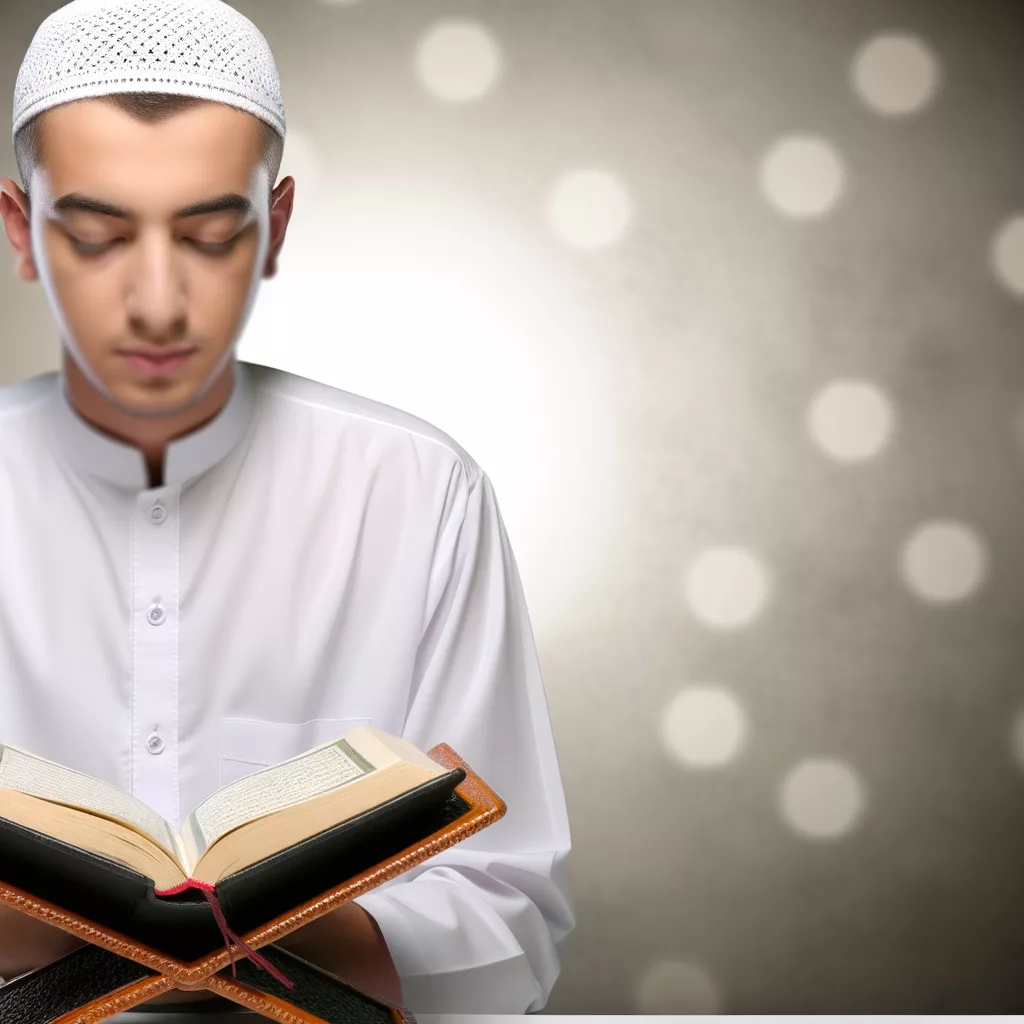
In France, growing up or living as a Muslim sometimes means facing suspicious looks, confronting silent misunderstandings or enduring the bitter ordeal of racism and Islamophobia. In the street, at school, at work, on the way out of the mosque, stigmatisation can take a thousand forms, from an inappropriate comment to open hostility. Faced with these headwinds, many feel their identity weakened, torn between their Muslim faith, family traditions, French culture and the harshness of some public discourse. How can you preserve your dignity, your inner balance and your pride in being Muslim in such a trying context?
The powerful and soothing answer that runs through the whole history of Islam, from the life of the Prophet Muhammad to the present day, remains a firm grounding in spirituality, knowledge and community. Learning Arabic, the language of the Qur’an and the vehicle of a thousand-year-old civilisation, then becomes far more than a simple linguistic asset: it is a bulwark against the feeling of being erased, a source of confidence and a path to spiritual fulfilment. Learning Arabic, especially through immersion and without translation, means reconnecting with the depth of your Muslim faith, linking yourself to the wisdom of the scholars, to the companions of the Prophet, to the treasures of the Andalusian caliphate or the riches of Sufism. It means opening up to a direct understanding of the Qur’an, the beauty of tajwid, the fascinating meaning of tafsir, the authenticity of the hadiths, the science of the sira, and Muslim identity in all its greatness.
By immersing themselves in literary Arabic, everyone returns to the pure source of Islamic spirituality, gains access to the soothing routine of prayer (salat), the deep resonance of the adhan and the intimacy of invocations (du’a, dhikr, tawba), and rediscovers khushu and serenity despite the storm outside. But the linguistic tool, however precious, only bears fruit if it also flows into the solidarity of the Muslim community, the strength of Ramadan and eid, the wisdom shared at the mosque, the tenderness of a united family or the brotherly support of volunteers and imams.
This journey is not only a personal one. It is carried by the collective memory of Islamic civilisation, its history of resistance, dialogue, ethics, mutual aid and inner peace. Even in secular France, pride and security will always lie in the practice of authentic Islam, patience in the face of discrimination, gratitude to Allah for every breath and sincerity in conduct (akhlaq). Thus, against marginalisation, immersion in Arabic, a deep understanding of the Qur’an and spiritual life act as lasting antidotes to racism and Islamophobia, allowing you to walk with your head held high, lit by the light of faith, on the soothing path of regained dignity.
Regaining pride and confidence through learning Arabic: strengthening your Muslim identity in the face of racism and Islamophobia
In the face of racism and Islamophobia, learning Arabic becomes far more than an intellectual pursuit: it is a deep source of pride and confidence for every Muslim living in France. Immersing yourself in learning literary Arabic, beyond simple vocabulary lists or impersonal translations, means reconnecting intimately with the essence of your Muslim identity. This linguistic grounding lets you fully embrace Islamic culture and the history of Islam, and gain access to the priceless richness of the Qur’an in Arabic. Being able to read and understand the Qur’an, the sunna, the science of hadith or the sira of the Prophet without an intermediary gives you the rare privilege of tasting the original clarity of the divine message. This direct closeness to the word of Allah, to the practice of prayer in Islam and to Islamic invocations (dhikr, du’a), nourishes the feeling of belonging to the worldwide Muslim community and re-enchants spiritual life, even in an often difficult context.
Immersion in Arabic, without being limited to translation, patiently but surely builds inner confidence. When you master tajwid in reading the Qur’an, savour the beauty of the formulas of dhikr, or grasp the subtleties of the tafsir of the Qur’an, you rediscover your own dignity in the face of others’ gaze. Learning Arabic then becomes an act of gentle resistance to stigmatisation, a bulwark against erasure, and a lever of resilience in a climate of secularism that is sometimes tense towards Islam. Feeling the strength of spiritual well-being, inner peace in Islam and gratitude to Allah strengthens emotional balance and in return gives you a natural assurance in social interactions, whether it is explaining your practice of Islam, politely affirming your place in society, or maintaining modesty in Islam in public spaces.
Through deep and immersive learning of Arabic, every Muslim, man or woman, adult or young person, creates an invisible shield against racism and Islamophobia. This living bond with the sacred language not only honours the memory of the companions of the Prophet and the scholars of Islam, but breathes into every Friday prayer, every fast and every act of Islamic solidarity the inspiration of a confident, dignified and serene Muslim identity. Mastering Arabic thus emerges as an essential key to strengthening your faith and affirming, with serenity and sincerity, your place in the mosaic of French society.
Immersion in Arabic and understanding the Qur’an: spiritual and intellectual keys to overcoming stigmatisation
In the face of stigmatisation, racism and Islamophobia in France, many Muslims turn to their faith to draw strength and resilience. Learning Arabic, especially through genuine immersion in Arabic, then offers far more than linguistic ability: it is a deep opening onto the heart of Islamic spirituality. Being able to understand the Qur’an in its original language, through attentive reading of the Qur’an without the filter of translations, changes how you see yourself and the world. Learning literary Arabic makes the sacred text alive and vibrant, nourishing patience in Islam and perseverance in the face of adversity. Immersing yourself in the meanings of the Qur’an in Arabic, memorising verses, mastering tajwid and exploring tafsir forges an intimate bond with the words of Allah, comforting you against the feeling of exclusion and strengthening your dignity.
The hadith tradition and the science of hadith, the accounts of the sunna, the sira of the Prophet, and the lives of the companions of the Prophet or the ahl al-bayt also take on a new flavour through immersion in Arabic. This direct connection refines your understanding of the Muslim faith and enriches khushu in prayer (salat), the daily practice of Islam, Islamic invocations (dhikr, du’a) and even repentance in Islam (tawba). Making your spirituality your own through the language reveals the depth and beauty of Islam, and offers a refuge from the surrounding negativity. There you also discover patience, gratitude to Allah, the sense of brotherhood within the Muslim community, humility in the face of trials, and love of Allah and the Prophet.
Thus, learning Arabic without translation and experiencing linguistic immersion means not only accessing the sources, but also regaining inner peace and confidence, essential to affirming a serene Muslim identity in a context of secularism and Islam. This approach opens the door to a subtler understanding of the history of Islam, of Sufism and of the richness of Islamic civilisation, from the Andalusian caliphate to the scholars of Islam, by way of Islamic universities such as Al-Azhar. All these landmarks strengthen spiritual well-being, encourage a spiritual routine, and help you face the challenges of racism and Islamophobia with wisdom and dignity—rooted, peaceful and radiant with the deep meaning of Islam, passed from heart to heart through the noble Arabic language.
Community, solidarity and prayer in Islam: relying on spiritual life and shared values to stand firm together
In the face of racism and Islamophobia in France, the strength of the Muslim community and the richness of Islamic spiritual life are powerful and soothing refuges. Relying on the spirit of solidarity inherent in Islam means remembering that every prayer (salat), every dhikr, every moment spent together at the mosque, every collective invocation during the Friday prayer (jumu’a) contributes deeply to each person’s resilience and to the strengthening of the whole community. Learning Arabic and immersion in Arabic then open extraordinary doors: they let you taste the beauty of the Qur’an in literary Arabic, make the words of the Prophet in the authentic hadiths your own, and live each moment of the sunna and the sira of the Prophet more intensely. Reading the Qur’an without translation, getting started with tajwid and reflecting on the tafsir of the Qur’an means rediscovering the universal dimension of the Muslim faith and uniting in a deep understanding of the messages of love, peace and patience in Islam.
In those moments when trials come, being anchored in Muslim spiritual life becomes a bulwark against the personal and collective wounds caused by racism and Islamophobia. Knowing that you share an Islamic ethic of sincerity, gratitude to Allah and Islamic solidarity restores confidence and dignity. Mutual aid within the community, gatherings during Ramadan, Eid al-Fitr and Eid al-Adha, as well as Muslim volunteering initiatives and sadaqa, weave bonds of sincere brotherhood. Through reading and memorising the Qur’an, and also through studying the science of hadith or the history of Islam, every generation – adults, young people, Muslim children – draws strength from its Muslim identity and cultivates love of the Prophet and inner peace.
The daily prayers become so many opportunities to cultivate khushu in prayer, that intense and soothing presence that heals a heart wounded by injustice. Islamic invocations, du’a, and turning to tawba through repentance in Islam are all ways of renewing patience and confidence. Passing on the faith within the Muslim family, raising children in Islam, and conversations about the practice of Islam and Islamic culture create warm spaces where pride in Islamic civilisation, from the Andalusian caliphate to environmental ethics in Islam, nourishes Muslim youth and rekindles the collective light. It is thus, by drinking from the source of immersion in Arabic and shared spiritual life, that Muslims in France find the strength to stand firm together, with dignity, wisdom and hope.
Patience, sincerity and gratitude to Allah: cultivating inner well-being and resilience in the face of trials in France
In the face of racism and Islamophobia in France, it is natural to feel anger, sadness or discouragement. Yet at the heart of these trials, the Islamic tradition invites us to turn our hearts towards patience in Islam (sabr), sincerity in Islam (ikhlas) and gratitude to Allah (shukr). These virtues, rooted in Islamic spirituality and illuminated by the example of the Prophet and the companions of the Prophet, become unsuspected sources of inner strength and resilience. When injustice strikes, patience is not resignation but serene resistance, a silent affirmation that our dignity and our spiritual well-being cannot depend on how others see us.
Moreover, this path to inner peace is nourished by a regular practice of Islam: salat performed with sincerity and khushu in prayer, Islamic invocations repeated with fervour, dhikr and du’a whispered in turmoil as in calm. Each of these actions, however humble, embodies an intimate gratitude towards the One who has power over all things. Reading the Qur’an, and above all being able to understand the Qur’an in Arabic, become refuges and sources of clarity. Learning Arabic and immersion in Arabic open the door to a direct connection with revelation, without a veil, without a filter. Being able to experience memorising the Qur’an, to be moved by the harmony of tajwid or by the depth of the tafsir of the Qur’an in literary Arabic, means drawing from the very source of Muslim spiritual life.
Following the example of the sira of the Prophet, the patience of Bilal or Sumayya, and the perseverance of Allah’s chosen ones through their trials, elevates our identity and our sense of rootedness. The cycles of Muslim life – Ramadan, voluntary fasting, times of istikhara, moments of tawba – invite us to see every difficulty as an opportunity to grow, to refine ourselves, to purify our intention and to cultivate love of Allah. With this renewed outlook, even the ordeal of racism becomes ground for silent elevation, an opportunity to “relearn” to love your Creator more than you fear society’s rejection, and to support and uplift your Muslim community through solidarity, sadaqa, gentleness and the nobility of Islamic conduct (akhlaq).
In France, growing in perseverance, sincerity and gratitude means strengthening your inner anchoring beyond outside shocks. Drawing inspiration from the history of Islam, Islamic civilisation and the stages of the sira, studying the Islamic sciences or the subtleties of fiqh for the love of it, developing a passion for Islamic art or Islamic calligraphy… all of this means reaffirming day after day a dignity that can be neither bought nor sold off. This quest for knowledge, enriched by Arabic without translation, deepens the Muslim faith and places every Muslim in that virtuous circle where every act of gratitude becomes light, every act of patience becomes strength, and where, despite adversity, the deep awareness of being under Allah’s gaze soothes, enlightens and leads, insha’Allah, to true inner freedom.
In the face of racism and Islamophobia in France, it is possible to regain your inner strength and serenity through a sincere rediscovery of the Islamic heritage and the beauty of Muslim identity. At the heart of this path, learning Arabic proves to be far more than a linguistic skill: it is an act of grounding, elevation and deep connection with Islamic spirituality. Through immersion in Arabic, reading the Qur’an in literary Arabic without translation, and the attentive practice of tajwid, anyone can draw from the authentic source of the Muslim faith a light that dispels doubt, fear and the wounds caused by stigmatisation.
Understanding the Qur’an and the hadiths in their original language, and meditating on the sunna, the sira of the Prophet and the history of the companions and the ahl al-bayt, offers a new, soothing and energising perspective. The further you progress in learning Arabic, the more accessible the treasures of the tafsir of the Qur’an, the science of hadith and the great scholars of Islam become: the whole of Islamic civilisation then shines in its diversity, wisdom and beauty. This direct access strengthens awareness of the meaning of prayer in Islam, of khushu in salat, of authentic invocations, and of dhikr and du’a addressed to Allah, all practices that nourish resilience and gratitude to Allah in the face of trials.
Within the Muslim community in France, linguistic immersion and attachment to shared values foster Islamic solidarity, mutual aid within the community and the building of strong bonds beyond the ordeals of racism and Islamophobia. The history of Islam reminds us how much patience, tawba, sincerity and love of the Prophet are in themselves soothing responses to outside challenges: they cultivate an inner peace that frees you from stress and the feeling of isolation. The Islamic festivals and seasons, from Ramadan to eid al-fitr or eid al-adha, along with daily life at the mosque, the adhan or the Friday sermons, strengthen this sense of belonging and unity, essential to spiritual health and well-being.
Finally, immersing yourself in the study of literary Arabic, without fear of moving forward step by step, gradually transforms the way you live Islam in France: Islamic culture, calligraphy, art, ethics and even halal trade become spaces of expression, influence and excellence. For Muslim youth and for every Muslim family, cultivating a living bond with Arabic, the Qur’anic tradition and mindful prayer deepens Islamic education and echoes the greatness of Islamic civilisation, from the Andalusian caliphate to the universities of Al-Azhar or Zaytuna.
On this path, patience, kindness, moderation (wasatiyya) and sincerity in Islam remain the finest weapons against adversity and misunderstanding. Despite the challenges, learning Arabic and immersing yourself in the richness of revelation and Arab-Muslim culture nourish hope, pride and inner peace. Thus every believer in France can, in dignity, faith and light, embody this universal message of peace, justice and excellence that Islam has passed down for centuries.
Further reading: discover our online Arabic courses for adults, or also read “Learning Arabic through Islamic art and calligraphy” and “Learning Arabic and living Islamic spirituality through the hadiths“.



